What Are the Pros and Cons of Live vs Artificial Aquarium Plants?

Live plants are better for nitrate control, natural cover, and long-term tank balance. Artificial plants are better for low upkeep, hard-water tolerance, and fish safety when you pick soft, aquarium-safe materials. Bad choices can lead to algae, torn fins, dead spots, or plants that never take hold. This guide compares both for beginners, show tanks, fish safety, and algae control.
| Decision factor | What are the pros and cons of live | artificial aquarium plants | Winner |
|---|---|---|---|
| Tank goal | Best for planted aquascapes, cover, and plant-driven stability | Best for decor-only tanks and simple setups | Depends on goal |
| Maintenance burden | Needs pruning, lighting checks, and nutrient attention | Needs rinsing, scrubbing, and periodic replacement | artificial aquarium plants |
| Fish safety | Soft leaves and roots can shelter fish and fry; some species may eat or uproot them | No uprooting or eating, but sharp seams, trapped debris, and stiff edges can still cause problems | Tie, with material quality deciding |
| Light and algae control | Uses aquarium light for photosynthesis; can support nutrient uptake if balanced well | No light or CO2 need, but surfaces still collect algae film | What are the pros and cons of live |
| Upfront cost and lifespan | Often cheaper to start with simple stems, but replacements happen when plants melt or fail | Usually easier to buy once, then replace only when worn or faded | artificial aquarium plants |
What each type of plant is best
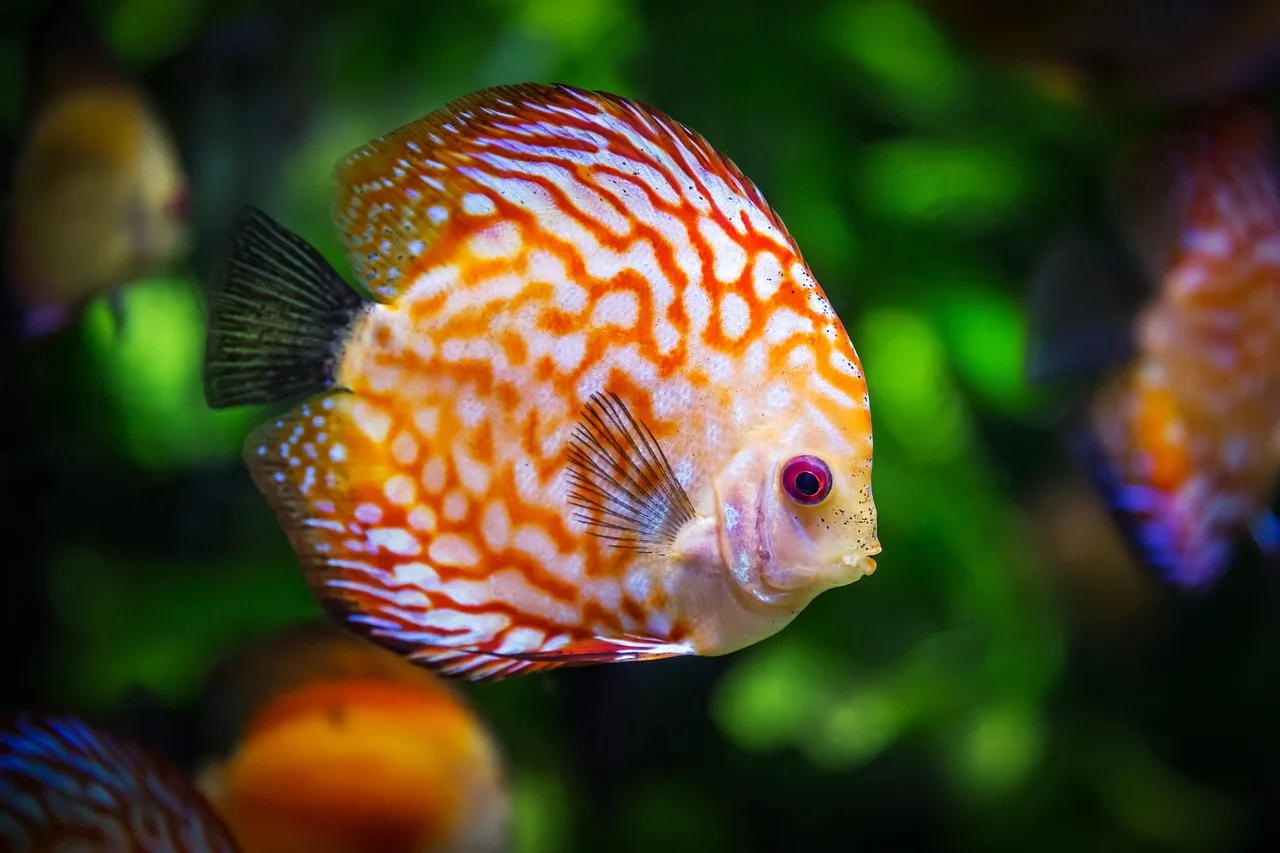
Live plants fit tanks that need real growth, cover, and nutrient uptake. Artificial plants fit tanks that need simple upkeep, predictable shape, and no dependency on light, substrate, or fertilizer. The right choice depends on your tank goal: plant care or fish care with minimal plant work.
What live plants do well
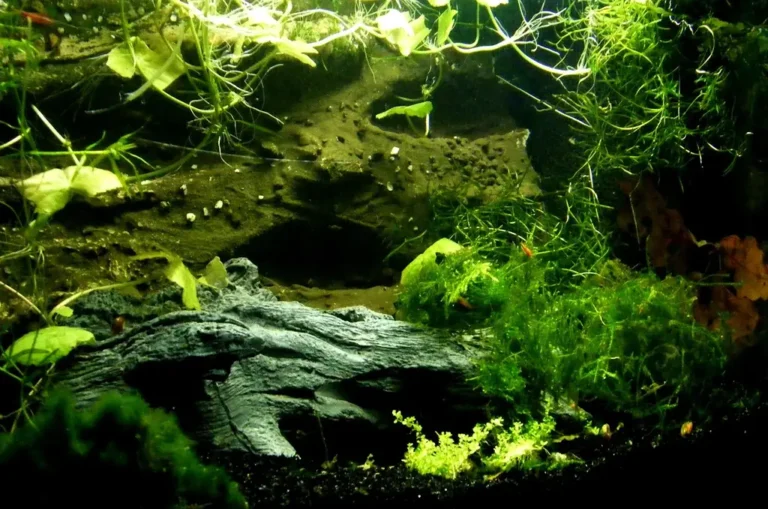
Live aquarium plants photosynthesize under aquarium lighting, so they can use light, carbon in the water, and nutrients in the substrate or water column. Rooted types need a planted substrate or root tabs; floating types take nutrients from the water and can suit low-tech tanks better than demanding rooted stems.
They also give fish cover and help absorb some waste compounds over time. That support can help with nitrate control in a planted tank, but it does not replace water changes or biological filtration. If light, substrate, or nutrient balance is off, you can get melting, algae on leaves, or plants that stall.
What artificial plants do well
Artificial aquarium plants, which are often made of plastic or silk, need no light, CO2, or fertilizer. They keep their shape and do not melt from poor planting conditions. That makes them practical in tanks where the keeper wants stable decor without managing plant health.
The trade-off is upkeep in a different form. You still need to clean them, scrub off film, and replace worn pieces when color fades or edges get rough. A cheap plastic plant can also be less realistic and less safe than a soft silk one.
Which option is easier to maintain?
Artificial aquarium plants are easier to maintain for most beginners because they do not need photosynthesis, pruning, or nutrient management. Live plants need routine trimming, correct lighting, and a substrate plan. If those basics are off, live plants can melt, stop growing, or invite algae.
Live plants: pruning, substrate, nutrients, and lighting
Live plants usually need plant scissors for trimming, aquascaping tweezers for planting, and a reasonable photoperiod. Low-light plants suit modest tanks better than medium- or high-light species, which need stronger PAR and more careful nutrient balance. Too much light without enough plant mass can push algae growth.
Substrate matters. Nutrient-rich planted substrate supports rooted plants better than inert gravel or sand alone, while root tabs can fill some gaps. Planting depth matters too; bury crowns too deeply and the plant may rot, while loose anchoring lets fish uproot stems.
Artificial plants: cleaning, scrubbing, and replacement
Artificial plants need less weekly work, but they still need attention. Rinse them in a bucket of dechlorinated water, scrub off debris with a soft brush, and check for sharp seams before putting them back. Replace pieces that turn brittle, fade badly, or start catching fins.
For example, a 20-gallon tank might have a betta, a sponge filter, and one silk plant. If the plant becomes coated with film, a quick scrub solves the problem. If the same tank used live stem plants instead, you would also need to trim them and watch whether the lighting and substrate still suit the species.
Which option is safer for fish?
Fish safety depends less on “live” or “fake” and more on shape, material, and tank mates. Soft live leaves can be gentle cover. Soft silk decor can do the same. Hard plastic edges, trapped bits of food, and poor placement can injure fish in either setup.
Fish that benefit from dense cover
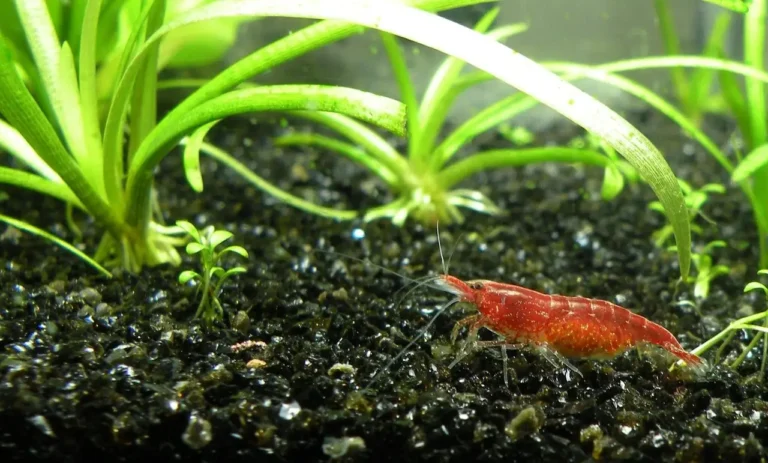
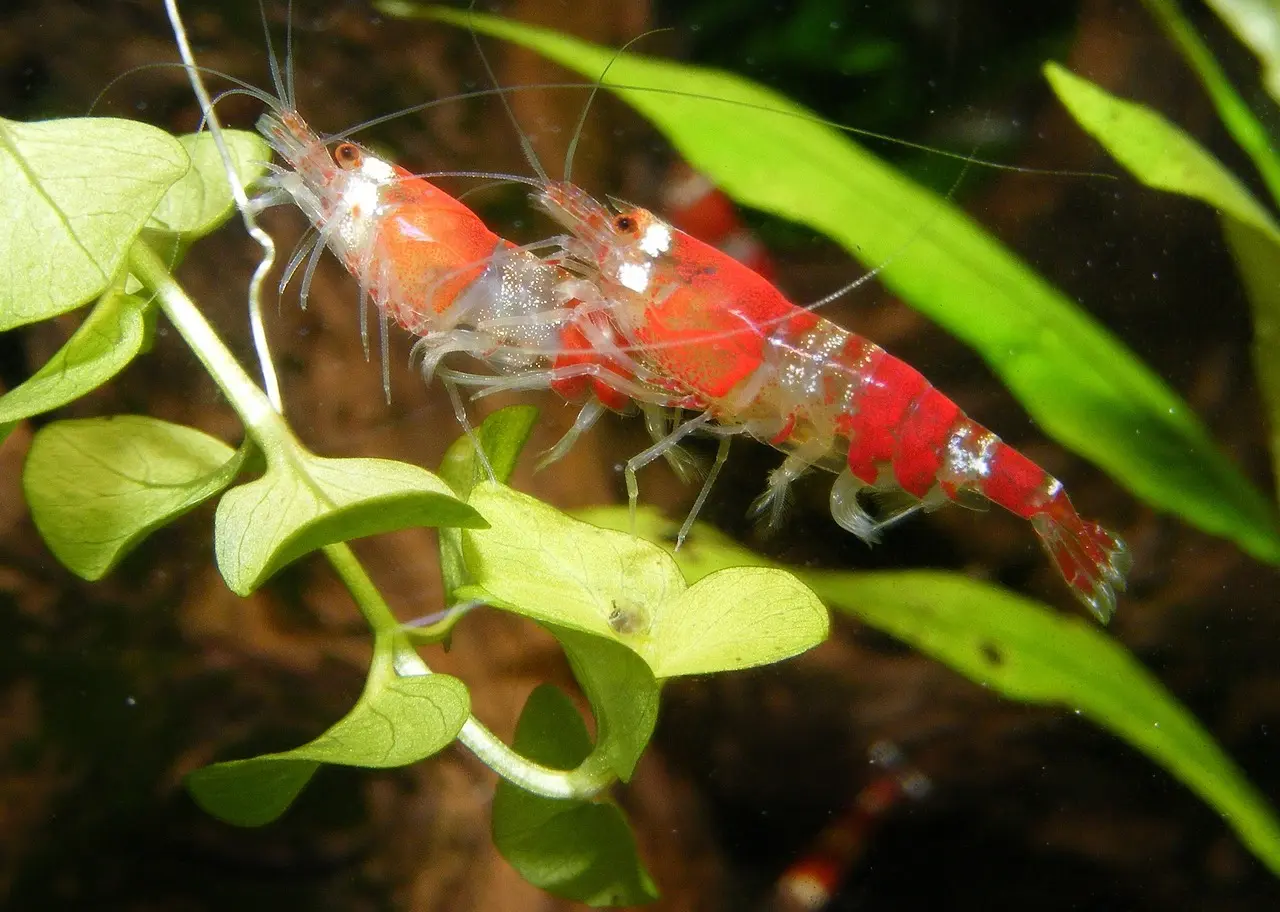
Bettas and other labyrinth fish often use cover near the surface and along quiet edges. Shrimp and fry also benefit from dense plant structure because it gives them places to hide and graze. In these tanks, plant density matters more than whether the plant is real.
Fish that damage decor
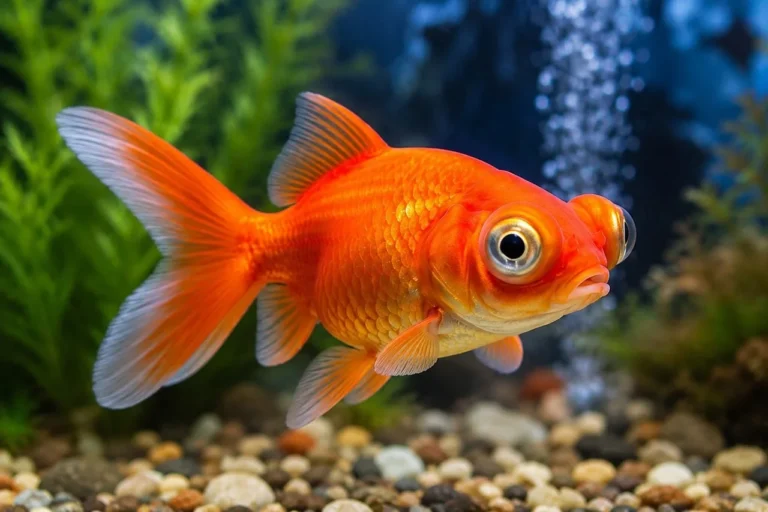
Goldfish often pull at plants and may graze soft growth. Digging cichlids can uproot rooted plants and bury stems. In those tanks, artificial plants can be the simpler choice if they are soft, securely anchored, and free of rough seams.
Picture a cichlid tank with sand substrate and frequent digging. A rooted live plant may be uprooted again and again unless it is protected, weighted, or chosen from species that tolerate disturbance. A flexible artificial plant can hold position better, though it still needs safe edges.
How do they affect algae control?
Live plants can help with algae control when light, nutrients, and plant mass are in balance. Artificial plants cannot absorb nutrients, so they do not compete with algae, but they also do not create leaf melt or require pruning. Algae control still depends mainly on lighting, feeding, and water changes.

Live plants, light balance, and nutrient uptake
With live plants, the goal is steady growth rather than fast growth. A photoperiod that is too long can feed algae blooms faster than plants can use nutrients. If the tank has enough healthy plant mass, those plants can use available nitrate and reduce the space algae has to spread.
Low-light plants are easier to keep under modest aquarium lighting. Medium- and high-light plants need stronger light and closer attention to nutrients. If the light is strong but the plants are sparse, algae often wins the open surfaces first.
Artificial plants, surface buildup, and cleaning frequency
Artificial plants can collect biofilm, dust, and algae on their surfaces. That buildup is cosmetic at first, but it can spread if the tank gets excess light or infrequent cleaning. A quick rinse and scrub keeps them usable, yet they do not help consume nutrients the way live plants can.
Do live plants improve water quality in a tank? Yes, they can support water quality by taking up some dissolved nutrients, especially in a well-lit planted tank with enough healthy plant mass. But they are a support, not a substitute for testing ammonia and nitrite, managing nitrate, and doing regular water changes.
Cost, replacement, and cleanup
Live plants often cost less at the start if you choose basic species, but they bring ongoing costs in light, substrate, root tabs, and pruning tools. Artificial plants can cost more upfront than a few stems, yet they usually avoid fertilizer and frequent replanting. The better buy depends on how much ongoing care you want to do.
Upfront cost versus long-term replacement
Live plants can fail if the tank is under-lit, the substrate is poor, or the species does not match the water. When that happens, you may replace plants rather than maintain them. Artificial plants last longer in the sense that they do not depend on growth, but worn pieces still need replacement when they fade or crack.
Tools and cleaning steps
- Remove the decor carefully so trapped debris does not fall back into the tank.
- Rinse artificial plants in a bucket of dechlorinated water.
- Scrub film with a soft brush or algae scraper if needed.
- Check for sharp edges, torn seams, or brittle plastic before returning them.
- For live plants, trim damaged leaves with plant scissors and replant stems with aquascaping tweezers if they loosen.
Water parameters matter more in live-planted tanks than in decor-only tanks. Ammonia and nitrite should still be controlled through cycling and maintenance. Nitrate, pH, and hardness all matter too, but plant mass only helps if the tank is otherwise stable and not overloaded.
Choose What are the pros and cons of live if… / Choose artificial aquarium plants if…
Choose What are the pros and cons of live if your tank goal is a planted layout, you want fry or shrimp cover, and you are willing to manage light, substrate, pruning, and nutrient balance. Choose artificial aquarium plants if you want simple upkeep, have fish that uproot or chew plants, or need a stable decor plan for a beginner setup.

Choose What are the pros and cons of live if…
- You want rooted or floating plants to help shape the tank naturally.
- You can match lighting to the species you keep.
- You are ready to prune and replant when growth gets dense.
- You want cover for shrimp, fry, or shy fish.
Choose artificial aquarium plants if…
- You want a low-maintenance tank with no CO2 or fertilizer plan.
- You keep goldfish or digging cichlids that damage live plants.
- You prefer predictable decor in a low-light or beginner setup.
- You are willing to inspect and clean decor so sharp edges and debris do not become a problem.
Mixed tanks can be the best fit
Can you mix live and artificial plants in the same aquarium? Yes. That can work well when you want live growth in the background or near the filter flow, plus artificial pieces where fish dig, rest, or tear leaves. Mixed setups often fit beginner tanks that are still being adjusted.
A common first-timer mistake is adding a high-light live plant to a dim tank and then filling the rest with cheap plastic decor. The live plant declines, algae spreads on the empty surfaces, and the tank looks uneven. A better mix is a few easy live plants matched to the light, plus soft artificial cover where the fish need it.
Frequently asked questions
What are the pros and cons of live aquarium plants versus artificial plants?
Live plants can absorb some nutrients, provide natural cover, and fit planted aquascapes, but they need suitable lighting, substrate, and pruning. Artificial plants need less upkeep and work in simple setups, but they do not grow, do not help with nutrient uptake, and still need cleaning and safety checks.
Are artificial aquarium plants safe for fish?
They can be safe if the material is soft, the edges are smooth, and the piece is anchored well. Problems come from stiff plastic, sharp seams, trapped debris, or faded surfaces that start to fray. Silk options are often gentler than rigid plastic, especially for long-finned fish.
Do live plants improve water quality in a tank?
They can support water quality by using dissolved nutrients, especially nitrate, as they grow. That help is real, but it is limited. You still need a cycled filter, regular testing, and water changes to manage ammonia and nitrite and keep the tank stable.
Are live plants harder to maintain than fake plants?
Usually yes, because live plants need light matched to the species, usable substrate or root tabs, and pruning as they grow. Fake plants avoid those demands, but they still need cleaning and inspection. The real difference is that live plants need growth management, while artificial plants need decor maintenance.
Which is better for beginner aquariums: live or artificial plants?
Artificial plants are often easier for beginners because they remove the learning curve around light, nutrients, and substrate. Live plants can still work in beginner tanks if you start with low-light species and keep the setup simple. The better pick is the one that matches the time you can give the tank each week.
How do you clean artificial aquarium plants?
Remove them carefully, rinse them in dechlorinated water, and scrub film with a soft brush or algae scraper. Check for sharp points and trapped debris before returning them. If a plant is fading, cracking, or holding waste in seams, replace it rather than trying to stretch its life.