
How to Use a Gravel Vacuum to Clean Fish Tank Substrate

Start a gravel vacuum by priming the siphon, placing the tube into the substrate, and lifting it just enough to loosen debris while the gravel stays in place; a common rule of thumb is to clean about 5% of the tank bottom per water change. Poor technique clouds the water, strips waste from the substrate too fast, and can stress fish. This article shows hand position, tube depth, and flow-control cues step by step.
What to do before you start

Check tank size, substrate type, and where fish are holding before you begin. A vacuum that works well in a 20-gallon community tank may feel awkward in a 55-gallon setup, and sand generally needs a lighter touch than coarse gravel.
Plan the water change first. For routine maintenance, a partial change of about 30% is common, and that routine is often said to take about 30 minutes in tanks up to 55 gallons. Clear space for a bucket and keep the hose path free of kinks.
What you’ll need
- Manual gravel vacuum or siphon with tube and hose
- Priming bulb or hand-pump starter
- Bucket sized for the amount of water you plan to remove
- Optional filter screen or safety basket for fry and shrimp tanks
- Towel for drips around the tank stand
- Dechlorinator for replacement water, if your routine uses tap water
How do you start the siphon?
Submerge the intake tube and hose end fully, then use the bulb or hand-pump starter to pull water through until the hose runs on its own. Keep the hose outlet below the tank waterline until the flow steadies.
- Place the bucket lower than the aquarium.
- Lower the intake tube into the tank until it fills with water.
- Use the priming bulb or hand-pump starter to begin flow.
- Watch for a steady stream in the hose before moving the tube.
- Keep the outlet low so the siphon does not break.
A manual siphon with a bulb is the simplest setup for beginners. QZQ uses a manual press design with no electricity, while electric aquarium gravel vacuums add adjustable suction and timed shutoff for larger or busier tanks. Laifoo’s manual siphon uses a 5-foot hose, and one source lists the hose at 7 feet long, which can help when the bucket sits farther from the tank.
How do I clean fish tank gravel without stressing fish?
Move the tube slowly and work around the fish instead of chasing them. Lower the tube just into the top layer of gravel, then lift it slightly in short pulses so waste rises while the gravel settles back down. Clean one patch at a time, then shift to the next.

Use these hand motions
- Hold the tube like a pencil near the top.
- Set the tip just under the gravel surface.
- Pump the tube up and down in short, gentle strokes.
- Slide 2 to 4 inches to the next patch after debris clears.
- Stop when the stream turns mostly clear and the gravel begins to lift.
Say your fish crowd one corner during feeding time. Clean the opposite side first, then return once they move away. That keeps the fish calm and gives you a cleaner path through the substrate.
How deep should the vacuum go into aquarium gravel?
In coarse gravel, the tube can sink into the top layer, but it should not bury deep enough to pull large amounts of substrate. In fine gravel, stay at the surface and use lighter pulses. On sand, hover above the bed and let waste lift off without digging in.
Think in layers, not depth. If the tube starts pulling up a lot of gravel, you have gone too far. If no waste moves at all, you are too high or moving too fast.
How do I clean different substrates?
Substrate type changes both suction and tube position. Gravel tolerates short insertions and brief pulses. Sand needs the gentlest setting, with the tube kept above the surface. Mixed beds need two passes: gravel pockets first, sand last, so the light material does not cloud the whole tank.
Technique by substrate
- Coarse gravel: Insert the tube just below the top stones, then lift and release in short motions.
- Fine gravel: Keep the tip shallow and reduce the number of pulses in each spot.
- Sand: Hold the intake just above the surface and skim waste off the top.
- Mixed substrate: Clean gravel pockets first, then move to sand or planted sections.
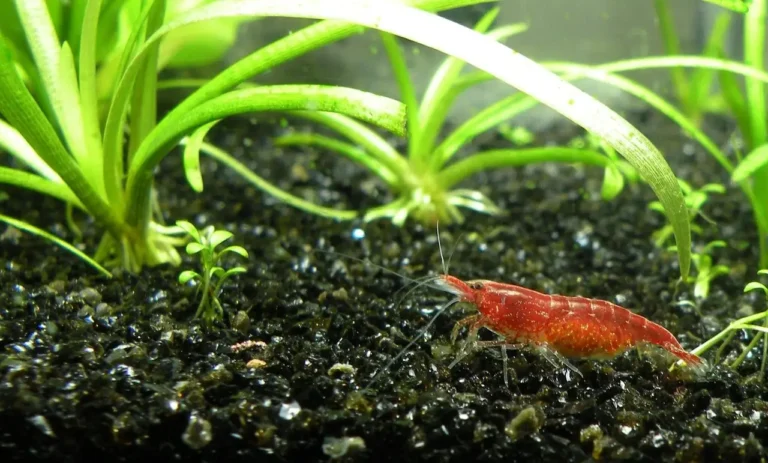
Can you use a gravel vacuum on sand too? Yes, but only with shallow passes and light suction. Burying the tube into sand pulls the bed upward and can cloud the tank quickly. A filter screen or safety basket helps in shrimp tanks, fry tanks, and setups with tiny bottom-dwellers.
Should I vacuum gravel during a water change?
Yes. Gravel cleaning is usually part of a partial water change, not a separate task. That is why many manual siphons are sold for routine maintenance rather than deep cleaning alone. Remove about one-third of the water, then replace it with temperature-matched, treated water.
Stop vacuuming each section when the waste stream clears and the gravel starts to rise into the tube. Do not keep chasing tiny specks in one spot. If the tank is planted or lightly stocked, leaving some detritus in quiet areas can be better than stripping every surface clean.
Top-up and recheck
- Remove water in one steady pass until you reach your planned change amount.
- Refill in a few additions, about 5% of tank volume at a time.
- Pause after each addition and recheck fish behavior, flow, and cloudiness.
Common mistakes to avoid
Most problems come from moving too fast, going too deep, or trying to clean every inch in one session. A cloudy plume that clears in a few minutes is common after you disturb light debris. A cloud that keeps building means the tube is buried too far or the suction is too strong.
- Burying the tube too deep: Keep the tip in the top layer only.
- Chasing fish: Work around them and return later.
- Lifting the hose outlet too high: Keep it below the waterline until the flow is stable.
- Vacuuming one spot too long: Move to the next patch once visible waste is gone.
Suppose a 30-gallon tank has fine gravel and corydoras on the bottom. Use shallow passes and shorter cleaning bursts, then stop as soon as the waste lifts from the surface layer. A deeper pull would send gravel into the tube and disturb the fish more than needed.
Gravel vacuum technique checklist

| Scenario | Step-by-step actions | Recommended suction intensity | How deep to insert the tube | When to stop | Troubleshooting |
|---|---|---|---|---|---|
| Beginner freshwater tank | Start siphon; clean one section at a time; use short up-and-down pulses; move 2 to 4 inches between patches | Moderate, steady flow | Just into the top layer of gravel | Stop when waste is gone and gravel starts lifting into the tube | If siphon is lost, lower the outlet and re-prime. If water clouds, slow down and lift the tube higher. If fish avoid the area, switch to the far side of the tank. |
| Planted tank | Work around roots and open spaces; skim between plant bases; avoid digging near stems | Light to moderate | Very shallow in gravel pockets only | Stop before exposed roots or substrate starts to rise | If siphon is lost, keep the hose straight and below the waterline. If water clouds, hold the tube above the surface for a pass. If fish avoid plants, clean outside the plant mass first. |
| Shrimp or fry tank | Fit the safety basket or screen; use slow passes; clean only open areas; keep the tube moving | Low | At or just above the substrate surface | Stop at the first sign of shrimp or fry near the intake | If siphon is lost, restart with the outlet lower. If water clouds, shorten each pass. If fish or shrimp cluster near the tube, move away and return later. |
How often should I vacuum fish tank gravel?
Most routine tanks do well with vacuuming during regular water changes, often weekly or every other week, depending on stocking and feeding. Heavy feeders and crowded tanks need more frequent debris removal. Lightly stocked or planted tanks may need less frequent passes.
Use the substrate as your cue. If waste sits on top after feeding, or debris gathers in low spots, it is time. If the gravel looks clean and the filter is catching most fine particles, you can limit vacuuming to the next scheduled water change.
Frequently asked questions
How do I use a gravel cleaner in a fish tank?
Start the siphon, lower the tube into the top layer of substrate, and move in short pulses so debris lifts without pulling up too much gravel. Clean a section, shift a few inches, and keep the outlet below the waterline until the flow is stable.
How do I start a gravel siphon if it won’t prime?
Check that both ends are fully submerged, then lower the bucket and hose outlet farther below the tank. If the primer bulb or hand pump still fails, straighten kinks in the hose and retry. A blocked screen or air leak is the next thing to inspect.
How do I clean fish tank gravel without sucking up fish?
Use a filter screen or safety basket, keep suction low, and work in open lanes away from fish traffic. Move the tube slowly, never pin it in one place, and stop if fish begin hovering at the intake. Clean the opposite side first if they gather near the front.
How do I vacuum fish tank gravel without stressing fish?
Clean during a calm period, keep the tube shallow, and move in small sections instead of sweeping the whole tank. Fish handle a slow, predictable pattern better than sudden movements. A partial water change and gentle suction are usually enough for routine maintenance.
Can I use a gravel vacuum on sand too?
Yes, but keep the intake above the sand and reduce suction. The goal is to lift waste off the surface, not dig into the bed. If the sand starts rising, move the tube higher and shorten the pass.