LED vs Fluorescent Aquarium Lighting: Energy Efficiency
LED aquarium lights usually use less electricity than fluorescent lights for the same useful light, with a table comparing power, heat, and when fluorescent still fits.

LED aquarium lights usually use less electricity than fluorescent lights for the same useful light, with a table comparing power, heat, and when fluorescent still fits.
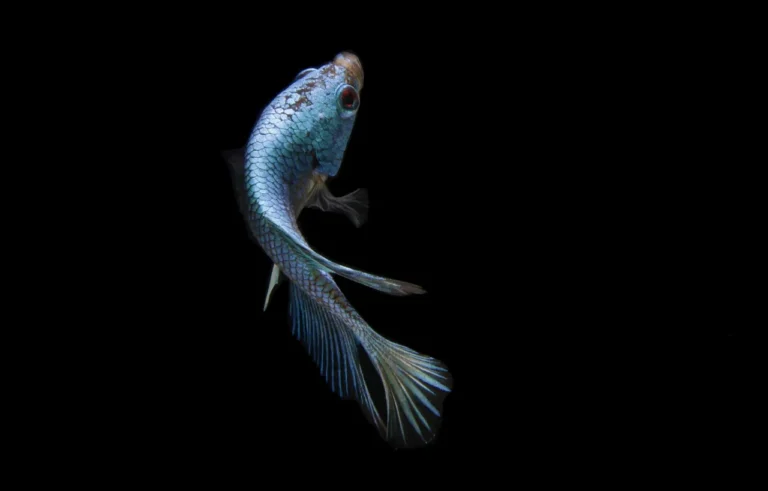
Bettas can survive briefly in small containers, but they do better in a heated, filtered tank of at least 5 gallons, with 10 gallons often better.
Low-light plants do best at about 20–40 PAR, medium-light plants at 40–70 PAR, and high-light plants at 70+ PAR, with CO2 widening the safe upper range.
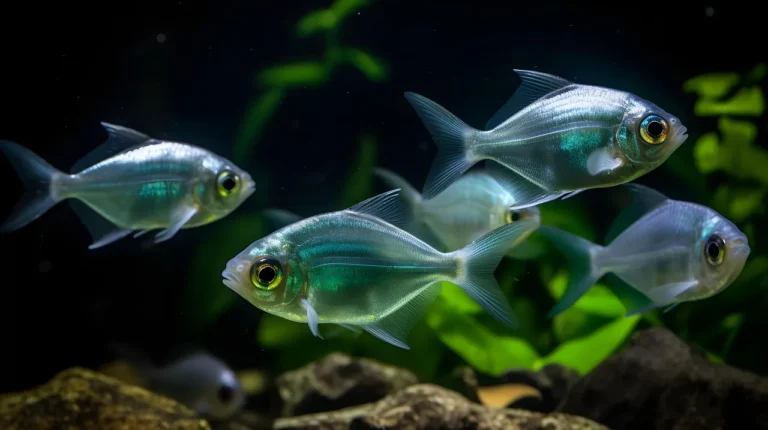
Most freshwater aquariums do best with lights on at 8:00 a.m. and off at 6:00 p.m. Use this guide for tank-type timings and daylight adjustments.
Yes—if the label says it neutralizes both chlorine and chloramine, it can make tap water safer for fish. This page explains what to look for on the bottle.
Cloudy aquarium water after a water change usually points to stirred debris, a bacterial bloom, or a chemistry mismatch. Learn how to narrow it down fast.
Choose 80–160 GPH for a 20-gallon freshwater tank, then match filter type, media, and flow to your fish and maintenance routine.
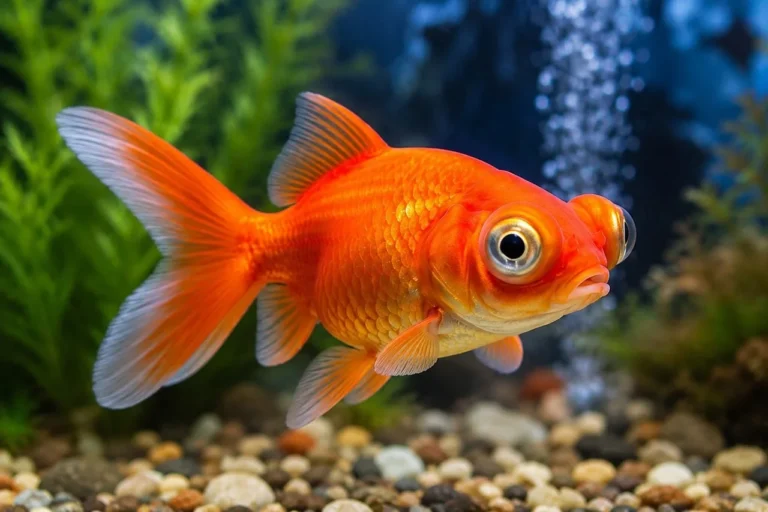
Use a gravel vacuum to clean fish tank substrate with the right tube depth, flow control, and water-change pace.
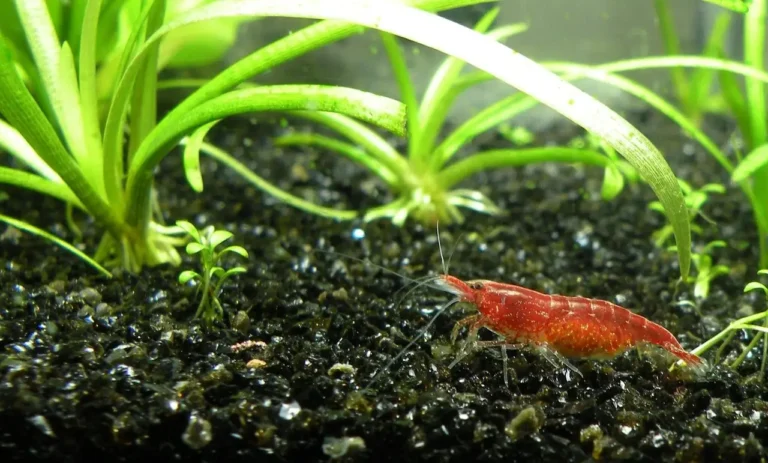
Choose active aquasoil for root-heavy plants and softer water, or inert sand or fine gravel with root tabs for low-demand setups. Compare how each substrate affects plants, water, and upkeep.
Prioritize PAR at the substrate, even spread, and enough output for your tank depth; most low- to medium-light tanks should start at 30–50 PAR at plant level.