Starter Fish Tank Kit Features for Beginners

Choose the fish species first, then match the kit to adult size, temperature needs, and waste output. Pick enough water volume for stability, a quiet filter rated above the tank size, a heater if your species needs one, and easy maintenance access. Small, underfiltered kits swing temperature and water quality fast, which drives stress, disease, and early fish losses. This guide covers the features that cut failure risk first: stable volume, filtration, species fit, and low hidden maintenance.
What should you look for first?
Start with the fish, then match the kit to the fish’s adult size, temperature needs, and waste output. A starter kit that looks complete can still fail if the tank is too small, the filter is weak, or the light and heater do not fit the species you want to keep.
Prioritize stable volume over gimmicks
For many beginners, about 5 to 10 gallons is easier to manage than 1 to 2 gallons because water chemistry and temperature tend to change more slowly. Smaller tanks can work for very limited setups, but they demand more frequent checks, more exact feeding, and faster water changes.
That is why many starter kits aimed at beginners focus on this size band. Aqueon says its aquarium starter kits are “perfect for beginners,” and its catalog includes a 5.5 LED Aquarium Starter Kit, BettaBow 1 Aquarium Kit with Quick Clean Technology, and LED MiniBow kits with SmartClean Technology.
Check hidden costs before buying
Cheap starter kits often move cost into replacement parts. Cartridge replacements, water conditioner, starter bacteria, and heater upgrades can matter as much as the box price. If the kit uses a proprietary cartridge, check the replacement frequency and whether the filter can also run standard media.
Say your budget goes to a 1 gallon kit with a tiny internal filter and no heater. You may spend less on the shelf, then spend more later on water conditioner, cartridge refills, and a separate heater when the fish and room temperature do not match the species.
- Choose the fish species first.
- Pick the tank size that fits the fish and the space.
- Check whether the filter is quiet and easy to clean.
- Confirm heater, light, and stand needs before purchase.
- Price the ongoing supplies, not only the box.
Tank size decision matrix
Tank size shapes nearly every beginner outcome. About 5 to 10 gallons usually gives more buffer than micro tanks, while tanks over 10 gallons are often easier to stabilize but still need proper support. Very small kits can look simple and still create more work.
| Tank size | Filter strength | Heater included | Light quality | Fish type fit | Maintenance burden | Hidden extra costs | Score for betta | Score for small community fish | Score for planted tank buyers |
|---|---|---|---|---|---|---|---|---|---|
| 1 to 2 gallons | Usually light; watch flow and waste handling | Often missing | Often basic; weak for plants | Only very limited species setups | High; frequent checks and water changes | Conditioner, bacteria, cartridge swaps, possible heater upgrade | 2/5 | 1/5 | 1/5 |
| 5 to 10 gallons | Moderate to strong, easier to balance | Often included in tropical kits | Usually usable for viewing; limited plant support in basic kits | Good for bettas and some small freshwater fish | Moderate; easier than micro kits | Conditioner, bacteria, replacement media, sometimes heater top-up | 5/5 | 4/5 | 3/5 |
| Over 10 gallons | Can support stronger, more flexible filtration | Usually needed for tropical species | Better coverage for decor and live plants | Better for small community fish and planted setups | Lower per-volume stress, but more total water to change | Stand, more substrate, larger filter media, larger heater | 4/5 | 5/5 | 5/5 |
Aqueon advises that larger tanks, generally over 10 gallons, should have an appropriate stand. That matters because water is heavy, and the setup needs a level base that can hold the load without flex or wobble.
How should the filter perform?
A starter filter should move enough water to keep waste suspended and collected, but it should not blast fish around the tank. The best beginner choice is usually a quiet filter with enough capacity for the tank size, easy access for cleaning, and replacement media that will not become expensive or hard to find.
Built-in filter versus separate filter
Built-in filters simplify setup because the tank and filtration arrive together. Separate filters can be easier to replace or upgrade, especially if you want more control over flow, media, or noise. Quick-clean systems can help, but only if they still provide steady mechanical and biological filtration.
Aqueon offers a 10-Gallon Starter Kit with a SmartClean filter, and it also offers BettaBow 1 and LED MiniBow kits with Quick Clean or SmartClean Technology. Those names suggest easier maintenance, but the buyer still needs to check actual flow, cartridge cost, and whether cleaning can be done without removing too much beneficial bacteria.
Quiet operation and replacement cost
Noise matters in a small room. A loud motor, rattling intake, or hard-starting impeller can turn a beginner kit into a constant annoyance. Quiet operation is a basic need, because it often decides whether the tank stays in a bedroom, office, or shared living area.
Also check the price and availability of cartridges or media. A cheap filter can become costly if it needs frequent cartridge changes and the kit only works well with one brand format. If the kit supports standard sponge or bio media, upkeep is often easier to manage.
When quick-clean systems help
Quick-clean systems help when they reduce simple maintenance steps without forcing a full tear-down. They can mislead when they sound maintenance-free, yet still require regular media changes, water testing, and partial water changes. A quick-clean label does not cancel the nitrogen cycle.
Do you need a heater and LED light?
If you keep tropical fish, yes, you need a heater. Preset 78°F heaters are often included in starter kits because that temperature suits many tropical community fish and bettas. Micro kits often leave the heater out, which makes temperature swings more likely and can push the fish outside its safe range.
Preset heat for tropical fish
Temperature stability matters more in smaller tanks because water changes temperature faster in a small volume. That is one reason a 1 to 2 gallon kit is harder to manage than a 5 to 10 gallon kit. If the room is cool at night, the heater cannot be an afterthought.
FishkeepingSecrets lists an Aqueon 10-Gallon Starter Kit with a SmartClean filter and says that kit includes a preset 78°F heater. That pairing is useful for a beginner who wants tropical fish, because the heat source and filtration are designed to work together from the start.
What LED lighting should do
LED lighting is useful even when plants are not the main goal. It gives a clear view of the fish, helps you inspect health and behavior, and usually uses less power than older bulb styles. The better question is not whether the kit has LED lighting, but whether the brightness is adequate and adjustable.
Fixed brightness is common in basic kits. Adjustable lights are more flexible for viewing and plant care. Weak lighting can still be fine for a simple betta or decor-only tank, but it limits planted setups. Basic lights are often built for appearance first, not for demanding live plants.
Glass or acrylic for a starter kit?
Glass is usually the easier default for beginners because it resists scratching better and often gives very clear viewing. Acrylic is lighter and easier to move, which helps if you need portability or a setup on a lighter surface, but it scratches more easily and can show wear sooner.
Durability and scratch resistance
For most first tanks, glass handles routine cleaning better. Acrylic can be useful in small, portable kits, but it asks for more care with scrapers, gravel vacuum ends, and decorations that may rub the walls. If portability matters more than scratch resistance, acrylic may still make sense.
Clarity and placement
Glass often gives a crisp view and a familiar feel. Acrylic is lighter, which can matter when moving water-filled equipment or placing a tank in a tight area. That said, any tank above 10 gallons needs a proper stand or surface that is built to hold the weight safely.
Which kit fits your fish?
Match the kit to the fish, not the packaging theme. Bettas, small freshwater community fish, and planted tanks have different needs for flow, space, heat, and light. A kit that suits one group can be a poor fit for another.
Betta-specific kits
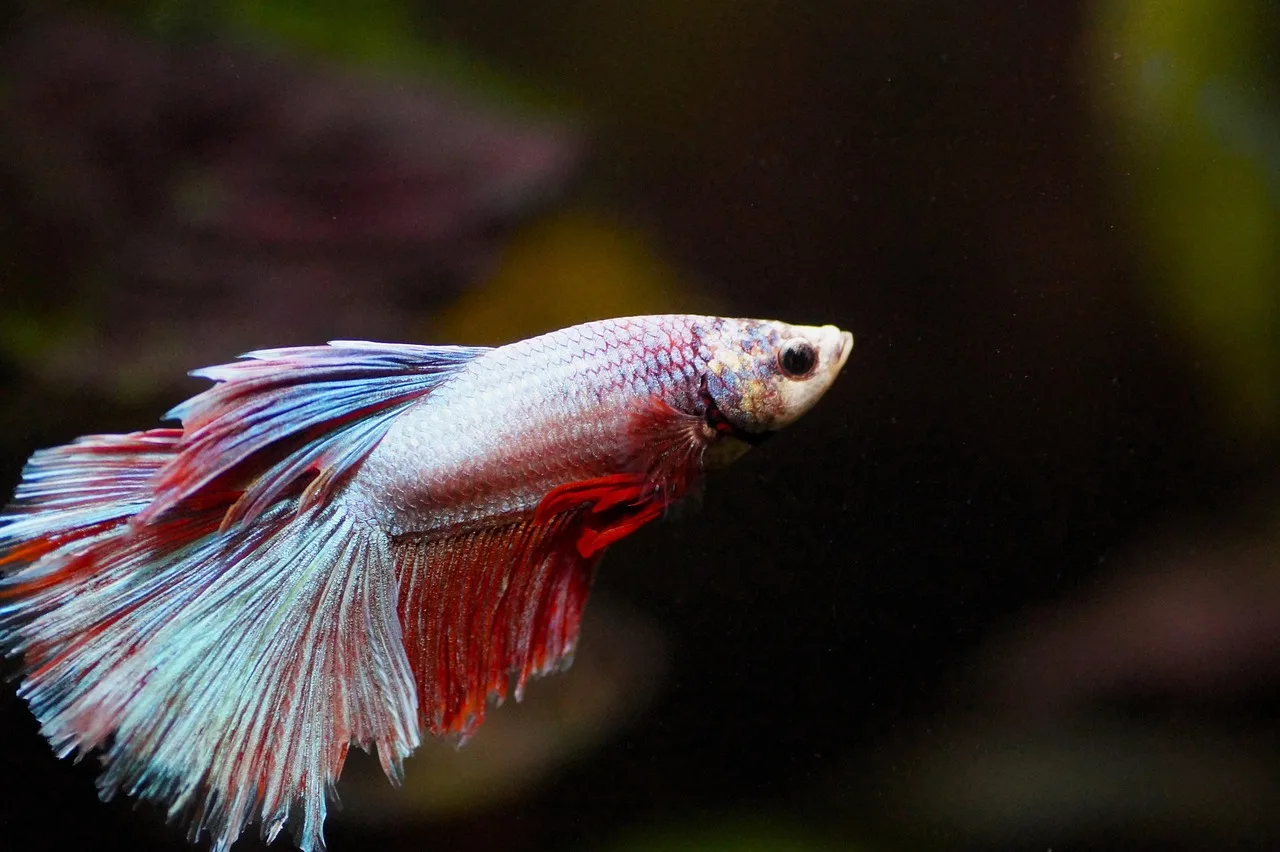
Betta-specific kits are useful when they keep the flow gentle, include a heater, and offer enough room for stable water quality. Aqueon’s BettaBow 1 Aquarium Kit with Quick Clean Technology is aimed at this kind of buyer, but a 1 gallon tank still carries a high maintenance load and leaves little room for error.
Small freshwater community fish
Small community fish do better in more stable water, which usually means more than a micro tank. A 5 to 10 gallon kit is the lower edge for some very small setups, but many community fish need more space than that. Fish load rises quickly once you add multiple active fish.
Planted tank buyers
Planted tank buyers should check two things first: light output and usable volume. A basic LED can support low-demand plants, but weak light will limit growth. In many starter kits, the light is there for viewing, not for healthy plant development.
Suppose a beginner wants a planted tank in a 2.4 gallon setup. The same source describes the Vehipa smart tank as 2.4 gallons, and that size can be fine for very limited displays, but plant and fish choices stay narrow because light, space, and waste capacity run out quickly.
Bioload limits to watch
Bioload means how much waste the fish produce. Higher bioload needs better filtration and more stable water volume. That is why starter kits should be judged by the fish they can support, not by how compact or decorative they look.
What should you avoid in a cheap starter fish tank kit?
A cheap kit is a problem when it hides weak hardware. Avoid tanks with undersized filtration, no clear heater plan for tropical fish, weak or non-adjustable lighting for live plants, and no mention of replacement parts. If the kit lacks an adapter or power supply, that is another red flag.
Also avoid kits that make maintenance harder than it should be. If the filter is loud, hard to open, or locked into expensive cartridges, the setup can become annoying fast. If the tank is 1 to 2 gallons, expect more frequent monitoring regardless of how simple the box looks.
Water conditioner and cycle support
Starter kits should leave room in the budget for water conditioner and starter bacteria. Water conditioner removes chlorine and chloramine from tap water, which helps make tap water safer for fish. Starter bacteria can support cycle setup, but it does not replace testing or patience.
CatCreeks recommends API Quick Start for new aquarium setup. That kind of product can help with cycle support, but it should be treated as one part of setup, not as permission to skip water checks.
What fish can you keep in a beginner starter kit?
The safest answer depends on tank size, heater inclusion, and filtration strength. Betta-specific kits suit a betta with gentle flow and stable heat. Small freshwater community fish need more room and steadier filtration. Planted tanks need enough light and space to support the plants, not only the fish.
Betta-specific kits: choose these
Choose these when the tank includes calm flow, a heater, and easy access for partial water changes. A betta can live in a small setup, but small does not mean maintenance-free. The smaller the tank, the faster mistakes show up.
Small freshwater community fish: these are better matched
These are better matched to 5 to 10 gallons or more, depending on the exact species. The tank needs enough filtration to handle multiple fish, and the aquarist should avoid overstocking. A small community in a tiny tank usually raises workload and risk.
Planted tanks
For planted tanks, the light and volume matter as much as the fish. Low-demand plants can work in a basic kit with decent LED lighting, but strong plant growth usually needs stronger and more controllable light than many starter kits include.
Frequently asked questions
What should a beginner look for in a fish tank starter kit?
Look for stable tank volume, a quiet filter that matches the tank size, a heater for tropical species, and lighting that fits the fish or plants you want. Also check cleaning access, replacement-part cost, and whether the kit includes the stand or power supply you need.
Is a 5 gallon or 10 gallon starter kit better for beginners?
For most beginners, 10 gallons is the safer choice because the water changes more slowly and gives more buffer for feeding mistakes and minor cleanup delays. A 5 gallon kit can still work, especially for a betta, but it demands tighter upkeep and closer monitoring.
Do beginner fish tank kits need a heater and filter?
A filter is essential for water quality. A heater is needed for tropical fish, including many bettas and community species. If the kit leaves out the heater, plan to buy one separately rather than hoping room temperature will stay steady enough all year.
What size tank is easiest for a beginner to maintain?
Five to 10 gallons is usually the easiest range for a beginner because it balances stability and manageable maintenance. One to 2 gallon tanks need frequent checks, more exact care, and quicker intervention when water quality or temperature starts to drift.
Should a starter kit include LED lighting?
Yes, LED lighting is useful for viewing and day-night cycling, and it is common in starter kits. For planted tanks, check whether the light is bright enough and whether brightness can be adjusted. A basic LED may be fine for decor, but weak for plants.