How to Clean Aquarium Filter Media Safely and Effectively

Rinse biological media in dechlorinated tank water, replace mechanical floss when it no longer rinses clean, and never clean more than half the bio-media at once. Tap water, or replacing every stage together, can kill nitrifying bacteria and trigger an ammonia spike. This guide tells you what to rinse, what to replace, and what to leave untouched by media type and filter function.
What you’ll need
- Dechlorinated aquarium water from a water-change bucket
- A clean bucket or basin for media
- A towel for drips
- A soft brush or cotton swab for impeller parts and housings
- A water test kit for ammonia and nitrite
- Gloves if you want cleaner handling for slimy media
Why filter bacteria matter
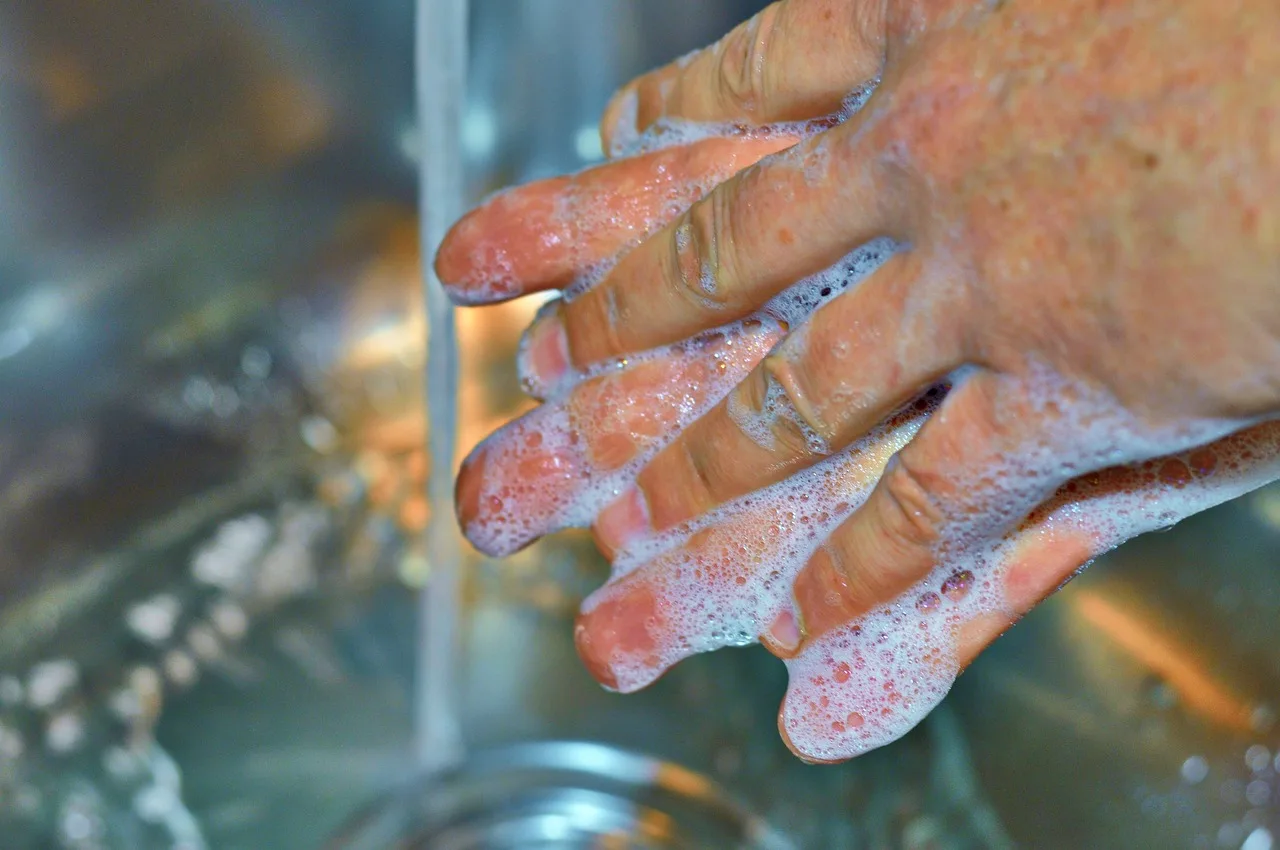
Beneficial nitrifying bacteria live in biofilm on filter media. They convert ammonia to nitrite, then nitrite to nitrate. That colony needs oxygen-rich water moving through the media, so clogged flow, drying out, disinfectants, and hard scrubbing can knock it back fast.
ProHobby frames the filter as a biological system, not a simple mechanical device. That is the right lens here. The goal is not spotless media, it is steady flow with enough surface area for bacteria to keep working.
Step-by-step filter cleaning

- Turn off and unplug the filter before you open it.
- Remove media in the same order it sits in the filter, so you can put it back the same way.
- Swish sponges or pads in dechlorinated tank water, then squeeze gently until the water runs less brown.
- Rinse ceramic rings, bio-rings, or other bio-media in tank water with a light swish only, and stop once flow opens up again.
- Replace activated carbon or resin media when its job is finished, because rinsing does not restore spent chemical media.
- Clean the impeller, inlet, outlet, housing, and tubing separately with a soft brush or swab.
- Reassemble the filter, refill it if the design needs it, and restart it.
- Check for normal flow and leaks, then test ammonia and nitrite over the next several days if the tank is stocked or newly cleaned.
How do you clean impeller, inlets, and outlets during filter maintenance?
Remove the impeller cover, clear slime or grit from the magnet, shaft, and well, then brush the inlet, outlet, and housing walls with a soft tool. Aqueon suggests soaking calcium scale off an impeller magnet for one to two hours. Keep this separate from media cleaning.
How much media should you clean at once?
Clean only part of the biological media at a time. wikiHow recommends rinsing just one sponge or one filter per cleaning, and in multi-sponge systems, one sponge at a time. That keeps enough bacteria in place to buffer the tank while the rest stays undisturbed. (Wikihow)
In a mature tank, partial cleaning is the safer default. In a new tank, with heavy stocking, or after disease treatment, go even lighter and watch ammonia and nitrite closely. If flow is badly blocked, a fuller mechanical clean may be needed, but keep bio-media changes modest.
Say your canister holds two coarse sponges and one basket of ceramic rings. Clean one sponge and a light layer of debris from the rings, then leave the second sponge alone. If the flow returns, stop there.
Can you rinse aquarium sponge in tap water?
No, not if you want to keep the bacteria colony steady. Tap water may contain chlorine or chloramine, and both can damage the biofilm on sponge media. Use dechlorinated aquarium water from a water-change bucket instead, because it keeps the bacteria in the same water chemistry they already live in.
If tap water is the only option, use it only for non-biological parts, then replace the media that was exposed if the tank is young or already unstable. For sponge and floss, tank water is the safer rinse.
Filter media maintenance matrix
| Media type | Safe cleaning method | Replace-or-rinse decision | Risk level | Red flag |
|---|---|---|---|---|
| Sponge | Swish and squeeze in dechlorinated tank water | Rinse unless it no longer rebounds or tears apart | Low to medium | Clogging or broken flow |
| Floss / pad | Rinse lightly in tank water if it still opens up | Replace when packed with fine debris or it stays matted | Medium | Clogging or cloudy water |
| Ceramic rings / bio-rings | Light swish in tank water, no hard scrubbing | Rinse, do not replace unless media is breaking down | High | Ammonia spike |
| Bio-balls | Rinse in tank water to remove slime and debris | Rinse, keep unless cracked or clogged with sludge | Medium | Broken flow |
| Activated carbon | Short rinse to remove dust only | Replace when its chemical job is done | Low for bacteria, medium for waste removal | Lingering smell or color |
| Resin | Handle gently, follow the product’s use pattern | Replace or recharge only if the product is made for that | Medium | Loss of intended chemical function |
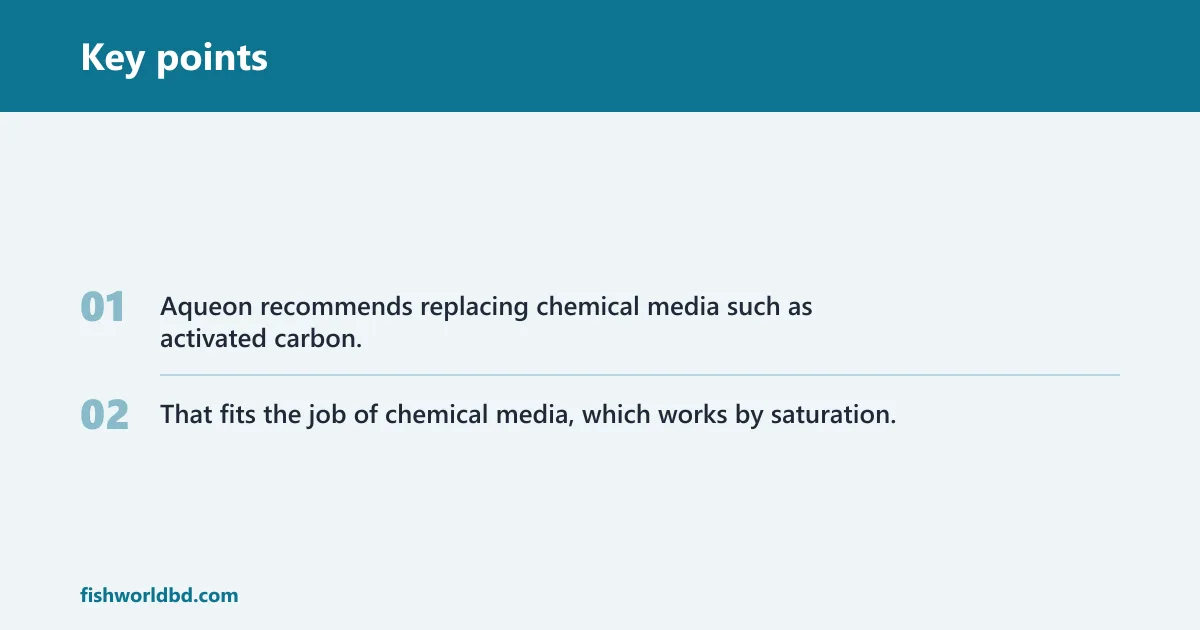
The same source recommends replacing chemical media such as activated carbon. That fits the job of chemical media, which works by saturation, not by trapping debris the way sponge or floss does.
How often should aquarium filter media be cleaned?
Clean only when flow drops, visible waste builds up, or the filter starts to sound strained. Mechanical media often needs attention more often than bio-media because it traps solid debris. A rigid calendar matters less than the filter’s load, stocking level, and how quickly waste accumulates.
In a heavily stocked tank, expect more frequent sponge and pad rinses. In a stable, mature tank, the bio-media may go a long time with only a light swish during routine service. If the tank stays clear and flow is steady, leave the media alone.
Suppose a 40-gallon tank has a hang-on-back filter and the outflow slows after a week of heavy feeding. Clean the pad first, then stop if flow returns. Do not pull the ceramic rings apart unless they are visibly coated and restricting circulation.
Can I clean the filter and vacuum the gravel on the same day?
Yes, but keep the bio-load in mind. Doing both at once removes more waste from the tank, which can help water clarity, yet it also puts more stress on a filter that has just been disturbed. In a mature tank, that can be fine if you are gentle and test afterward.
If the tank is new, lightly stocked, or already showing ammonia or nitrite, split the work across different days. Vacuum first or clean the filter first, then wait and test before doing the second job.
Common mistakes
- Cleaning every media piece at once, which strips too much bacteria at the same time.
- Scrubbing ceramic media hard, which removes biofilm and wastes the surface area it provides.
- Using tap water on sponge or bio-media, which can expose bacteria to disinfectants.
- Replacing carbon only because it looks dirty, when the real issue is trapped debris upstream.
- Skipping the impeller, inlet, outlet, or tubing, then blaming the media for weak flow.
- Restarting the filter without checking for leaks, gurgling, or lost prime.
After cleaning, test ammonia and nitrite several days later. wikiHow recommends that timing because cycle disruption may not show up immediately. If fish gasp, clamp fins, or hover near the surface, test sooner and reduce feeding until the numbers are stable.
How do you clean a canister or HOB filter media safely?
For a canister, clean one stage at a time and keep the biomedia submerged in dechlorinated aquarium water while you work. For a hang-on-back filter, remove the cartridge or media basket, rinse the mechanical part, and leave the biological section mostly intact. The same principle applies to internal and sponge filters.
Use the filter’s layout to guide the order. Mechanical media gets the most cleaning, biological media gets a light rinse, and chemical media is usually replaced. That keeps flow open without stripping the bacterial colony that handles ammonia and nitrite.
Frequently asked questions
How do you clean aquarium filter media without killing beneficial bacteria?
Use dechlorinated aquarium water, clean only part of the media, and handle bio-media with a light swish instead of a scrub. Keep the media wet, preserve flow paths, and restart the filter quickly. Then test ammonia and nitrite over the next several days.
Should I replace or clean chemical filter media like activated carbon?
Replace it when it has done its job, because rinsing does not restore adsorption capacity. The same source recommends replacing chemical media such as activated carbon. If you need long-term chemical removal, follow the product’s service life and the tank’s actual problem, not a fixed calendar.
What water should I use to rinse bio media and sponges?
Use dechlorinated aquarium water from a water-change bucket. A common rule of thumb is siphoning about 25% of tank water into a clean bucket for this purpose. That water is already tank-safe and lets you swish or squeeze media without exposing bacteria to disinfectants.
What should I do after cleaning the filter to check for problems?
Restart the filter, confirm steady flow, and look for leaks, air locks, or unusual noise. Then test ammonia and nitrite several days later. If either rises, reduce feeding, keep the filter running, and avoid another deep clean until the tank stabilizes.